Source Plate and Frame Beer Filter Press for Mining, Beverage, Sludge
Compare 30 plate and frame beer filter press units from verified Chinese manufacturers. These hydraulic machines support mining, beverage, and sludge dewatering applications with automatic cake discharge and PLC control systems; compare the available evidence and request quotations based on your requirements.
Key considerations
Products List


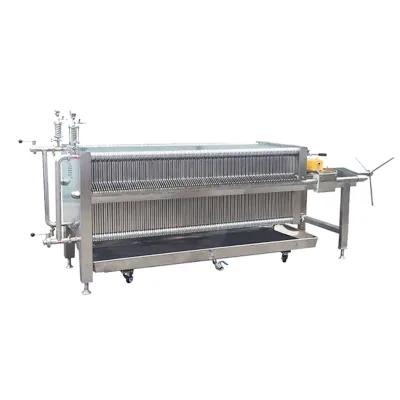
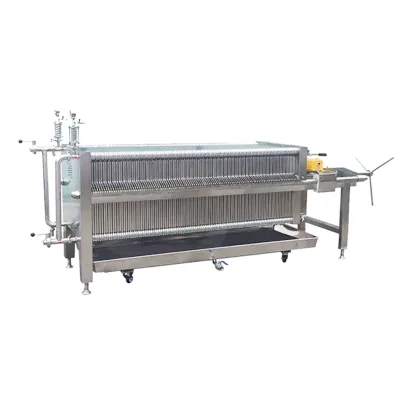


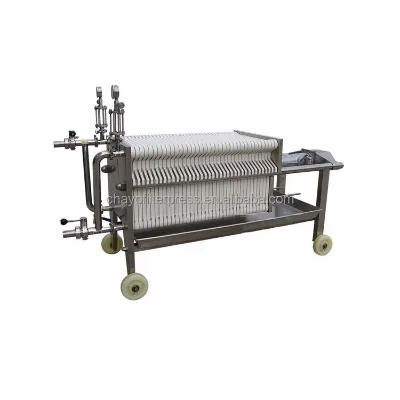


Comprehensive Sourcing Guide
Plate and Frame Beer Filter Press Sourcing Guide
Procuring a plate and frame beer filter press requires careful attention to the specific filtration needs of the beverage industry, particularly regarding the removal of suspended solids and clarification of liquids. The observed market data indicates that these units are frequently engineered with hydraulic closing methods and automatic cake discharging systems to ensure consistent operational efficiency. Buyers must recognize that while the core structure often follows a cantilever beam type, the specific plate configuration, such as chamber or round plate designs, dictates the final filtration performance and throughput capabilities.
When evaluating listings, it is critical to distinguish between general industrial filter presses and those optimized for food and beverage applications. The supplied facts confirm that these machines are explicitly designed for applications including beverage processing, chemical industries, and environmental protection. However, the presence of a PLC core component and a 380V voltage rating suggests a need for specialized electrical integration within the brewery's existing infrastructure. Buyers should verify that the specific model selected aligns with the required filtering area, which can range up to 100 square meters, to match the production scale of the facility.
Product Scope and Observed Listing Signals
The product scope for plate and frame beer filter presses encompasses a wide range of configurations, from standard chamber types to specialized automatic units capable of handling complex sludge dewatering or fine liquid-solid separation. Listings often highlight the use of PP or FRPP filter materials, which are essential for resisting corrosion and ensuring the purity of the final product in sensitive beverage applications. The observed price range of 600 to 150,000 USD reflects the significant variance in capacity, automation levels, and the number of plates included in the assembly, requiring buyers to align their budget with specific throughput requirements.
Buyers should scrutinize the listed specifications for the motive force and feeding type, as these directly impact the filtration cycle time and efficiency. The data shows that pressure is the primary motive force, with filtering pressures reaching up to 2 MPa, which is suitable for high-viscosity liquids or fine particulate removal. Additionally, the availability of customization options allows manufacturers to tailor the machinery to specific brewery layouts, though the standard seaworthy packing ensures safe transport. It is vital to confirm that the listed model, such as the XMZ series, matches the intended application of ceramic, chemical, or food processing to avoid compatibility issues.
Technical Specifications to Verify
Technical verification must begin with the plate material and structure, as these components determine the chemical resistance and mechanical durability of the filter press. The observed listings specify PP and FRPP materials, which are preferred for their inert properties in beverage processing, but buyers must confirm the exact grade to ensure it meets food safety standards. The structure is typically a cantilever beam type, yet some models may feature side beam configurations, and the closing method is consistently hydraulic, which provides the necessary force for tight sealing during the filtration cycle.
Further verification is required for the electrical and control systems, specifically the voltage rating and the presence of a PLC for automation. The standard 380V rating is common, but the power requirements may be customized based on the motor size and the complexity of the automatic cake discharging system. Buyers should also check the filtering area, which can extend to a maximum of 100 square meters, and ensure the feeding type, such as central feeding, aligns with the plant's piping layout. Confirming the standard dimensions, like the 870 mm chamber size, is essential for integrating the unit into existing infrastructure without requiring extensive modifications.
Compliance and Safety Documentation
Compliance documentation is a non-negotiable aspect of sourcing industrial filtration equipment, particularly for applications involving food and beverage production. The observed listings frequently cite CE and SGS certifications, which indicate adherence to European safety and quality standards, but buyers must request the specific test reports to validate these claims. The machinery test reports provided by suppliers serve as critical evidence of performance, confirming that the filter press meets the required pressure and filtration efficiency benchmarks before shipment.
Safety documentation must also cover the electrical and mechanical safety features integrated into the hydraulic and PLC systems. While the listings mention CE and GS certifications, the buyer should ensure that the specific unit includes all necessary safety guards and emergency stop mechanisms required by local regulations. The warranty period of one year is standard, but the scope of coverage regarding core components like the PLC and hydraulic pumps should be clearly defined in the contract. Buyers should verify that the supplier provides comprehensive manuals detailing the operation, maintenance, and safety protocols to ensure long-term compliance and operational safety.
Cost Drivers and Commercial Terms
The cost of a plate and frame beer filter press is driven primarily by the filtering area, the number of plates, and the level of automation integrated into the system. The observed price range of 600 to 150,000 USD reflects these variables, with larger units featuring automatic cake discharging and advanced PLC controls commanding higher prices. Buyers must analyze the total cost of ownership, including energy consumption and maintenance costs, rather than focusing solely on the initial purchase price, as the efficiency of the filtration process directly impacts operational expenses.
Commercial terms such as the minimum order quantity (MOQ) and lead time are also significant factors in the procurement decision. The observed MOQ range of 1 to 4 units suggests flexibility for smaller breweries, but buyers should negotiate based on their specific volume needs. The standard seaworthy packing is included to protect the machinery during transit, but additional costs for installation and commissioning may apply. Buyers should clarify the payment terms and delivery schedule, ensuring that the supplier can meet the production timeline without compromising on the quality of the equipment or the accuracy of the specifications.
Supplier Qualification and Quality Control
Supplier qualification involves verifying the manufacturer's location and their track record in producing filtration equipment for the beverage industry. The observed data indicates that many suppliers originate from Henan, China, a region known for its manufacturing capabilities, but buyers should assess the specific factory's experience with food-grade applications. The presence of certifications like ISO EAC and CE suggests a commitment to quality, but direct engagement with the supplier to review their quality control processes is essential to ensure consistent product standards.
Quality control measures should extend to the testing of core components and the final assembly of the filter press. Buyers should request detailed machinery test reports that validate the performance of the hydraulic system, the PLC, and the filtration efficiency under operating conditions. The warranty of one year provides a baseline for support, but the supplier's responsiveness to technical issues and the availability of spare parts are critical for minimizing downtime. Establishing a clear communication channel with the supplier for post-sales support ensures that any operational challenges can be addressed promptly and effectively.
Long-Term Procurement Checks
Long-term procurement checks focus on the sustainability of the supply relationship and the availability of spare parts for the filter press. Buyers should verify that the supplier maintains a stock of critical components, such as plates, seals, and hydraulic parts, to ensure minimal disruption during maintenance cycles. The customization options available, such as specific plate types and voltage ratings, should be documented to facilitate future upgrades or replacements without requiring a complete system overhaul.
Regular performance audits are necessary to ensure the filter press continues to meet the efficiency and safety standards required for beverage production. Buyers should establish a schedule for routine inspections of the hydraulic system, the PLC controls, and the filtration plates to detect wear and tear early. The observed applications in mining, chemical, and environmental protection sectors highlight the versatility of these machines, but maintaining a focus on the specific needs of the beverage industry is crucial. By proactively managing the lifecycle of the equipment, buyers can maximize the return on investment and ensure consistent product quality.
FAQs
How does a plate and frame beer filter press work for brewery filtration?
It works by pumping beer through chambers formed between plates covered with filter cloth, where solids are retained and clarified beer flows out through open filtrate channels. Hydraulic pressure closes the plates, central feeding distributes liquid evenly, and cakes build up inside each chamber until the cycle ends for automatic discharge and cleaning.
What plate materials are used in beer filter presses?
Plates are commonly made of PP or FRPP, both of which resist corrosion from acidic beverages and cleaning chemicals. Stainless steel is used for the frame and filter material in many models. The plate material choice affects weight, food-safety suitability, and durability, so buyers should confirm food-contact compatibility before ordering.
Which filter plate sizes are available for this beer filter press?
Available patterns include 700, 870, 1000, 1250, 1500, and 2000 series chamber plates, with 870 mm and 800/1000 standards also listed. Plate size determines the filtering area per unit, with some models offering up to 100 square meters. Larger plates suit high-volume breweries while smaller units serve pilot or craft production.
Can the filter press be customized for brewery production requirements?
Yes, customization is available. Buyers can specify plate material, filtering area, power configuration, and voltage such as 380V to match local electrical systems. Because breweries handle food-grade liquids, buyers should discuss sanitary fittings, cloth selection, and automation level with the manufacturer so the equipment matches their production line.
What certifications and testing come with the beer filter press?
Listed certifications include CE and SGS, with some models also showing GS, ISO, and EAC. A machinery test report is provided before shipment, which documents operating performance. Buyers should request the specific certificate copies and test report for the exact model ordered, since certification coverage can vary between product variants.
How is cake discharging and cloth cleaning handled?
Cake discharging is automatic in the listed models. When the filtration cycle finishes, hydraulic pressure releases, the plate pack opens, and solid cakes drop into a collection area. Automatic discharge reduces manual labor and shortens cycle times, which matters for breweries running frequent batches where downtime between filtrations affects throughput.
What applications besides beer filtration does this press support?
Beyond beverage use, the press serves sludge dewatering, mining, chemical industry, pharmaceuticals, and environmental protection applications. The core function is liquid-solid fine filtration under hydraulic pressure. This versatility matters to buyers because the same equipment platform can serve multiple processes, though cloth and plate selection should be reviewed for each medium.
What warranty and packing terms apply to filter press orders?
The warranty is one year, and machines are packed in seaworthy packaging suitable for export shipping. Equipment ships from Henan, China, with a machinery test report provided. Buyers should clarify in writing what the warranty covers, such as core components including the PLC, and confirm packing details match their import and port requirements.